Does chemistry still matter after 50? Singles say yes
If you assumed people stop caring about spark once they've been married, raised kids and buried a few illusions, the singles data disagrees. Here's what chemistry means to people over 50, and how quickly they think they can tell.
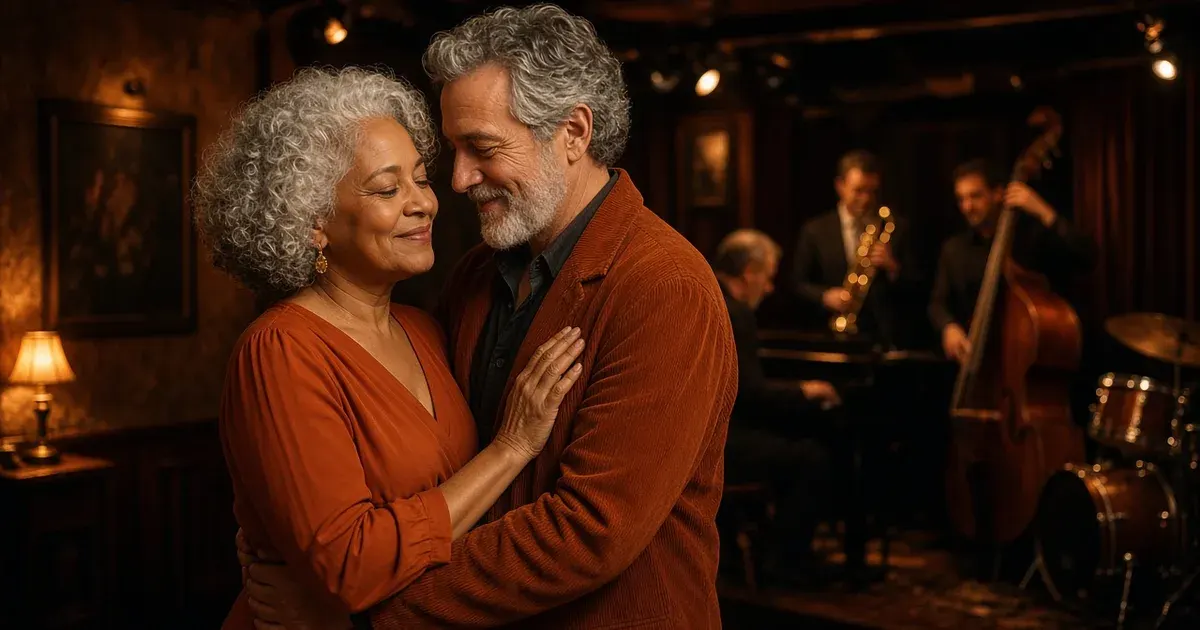
Yes. In the 50-plus results of the Singles in America study, 91% of singles said sexual chemistry isn’t optional in a romantic relationship, it’s essential. And 74% said they can tell whether it’s there within the first three dates.1
That’s a useful corrective if you’ve been told, or have been telling yourself, that at this age you should be grateful for kindness and leave spark to younger people. The people your age who are dating don’t see it that way.
What does “chemistry” mean to people over 50?
Not mainly looks. Asked what makes for good chemistry, 59% of singles 50 and older said feeling comfortable and open with each other. Physical attraction came next at 48%, and emotional connection at 47%.1
That ranking matters. If chemistry is mostly about ease and openness, it’s something two people build in conversation as much as something that strikes. Kinsey researcher Amanda Gesselman put the 2026 findings in similar terms: across ages, nearly everyone wants a long-term partner they can trust, laugh with and have strong sexual chemistry with.2
Is three dates really enough to know?
Most singles over 50 think so.1 That’s their belief, not a measured fact, so hold it loosely. Since comfort tops their list of ingredients, one reasonable check by the third date is whether you feel more at ease than you did on the first. If each date feels harder rather than easier, take that seriously too.
Does sex still matter at this stage of life?
For many people, yes, and the research backs that up. A national study of US adults 57 to 85 found that 73% of those 57 to 64 were sexually active.3 The same study found that about half of sexually active men and women had at least one bothersome sexual problem.3 Both are common, and both are part of the picture people your age are dating in.
As for how much is “enough”: a set of studies of more than 30,000 people found that, for people in relationships, more frequent sex was linked with greater well-being only up to about once a week. Beyond that, the link faded.4 That’s an association, and it says nothing about what’s right for you. It does undercut the idea that you have to match some younger standard.
Why does chemistry get misread after 50?
Partly because people don’t say what they want. In the same 50-plus survey, 77% said misconceptions held by the opposite sex had affected their dating life. Among men, 29% said women wrongly assume they’re only interested in sex. Among women, 22% said they’re misjudged as preferring casual sex over a serious relationship.1 Gesselman’s advice in that piece was to have the “what are we looking for” conversation early rather than avoiding it.1
If physical intimacy is on the horizon, safer sex after 50 covers what changed while you were married. And if self-consciousness is what’s getting in the way of chemistry, this piece on body confidence and dating after 50 is a good next read.
People who talk about this
- Credentialed source
Bella DePaulo
Research and writing on single life, including people who choose to stay single and live full lives on their own terms.
- Credentialed source
Marisa G. Franco
Friendship, loneliness and belonging, and how adults make and keep close friends.
- Credentialed source
Pepper Schwartz
Research and writing on love, sex and relationships, including dating and partnership later in life.
- Trending voice
Esther Perel
Desire, infidelity and the tensions inside long term relationships, often through real couples sessions on her podcast.
Further reading
Greater Good Science Center, UC Berkeley
Four Reasons to Stay Single (opens greatergood.berkeley.edu)Makes the evidence-based case that a single life can be full, which helps clarify what you actually want.
Sources
- Exclusive: Gen X and Baby Boomers Are Looking for True Romance
- 15th annual Singles in America Survey reveals how relationships, marriage, money and family are changing
- A Study of Sexuality and Health among Older Adults in the United States
- Sexual Frequency Predicts Greater Well-Being, But More is Not Always Better