How to meet women over 50: what the data says
If you're a man in your 50s wondering where all the single women are, the answer is partly that many of them aren't looking, at least not the way you are. National surveys show a big gender gap in who wants to date after 40, and where later-life couples actually meet.
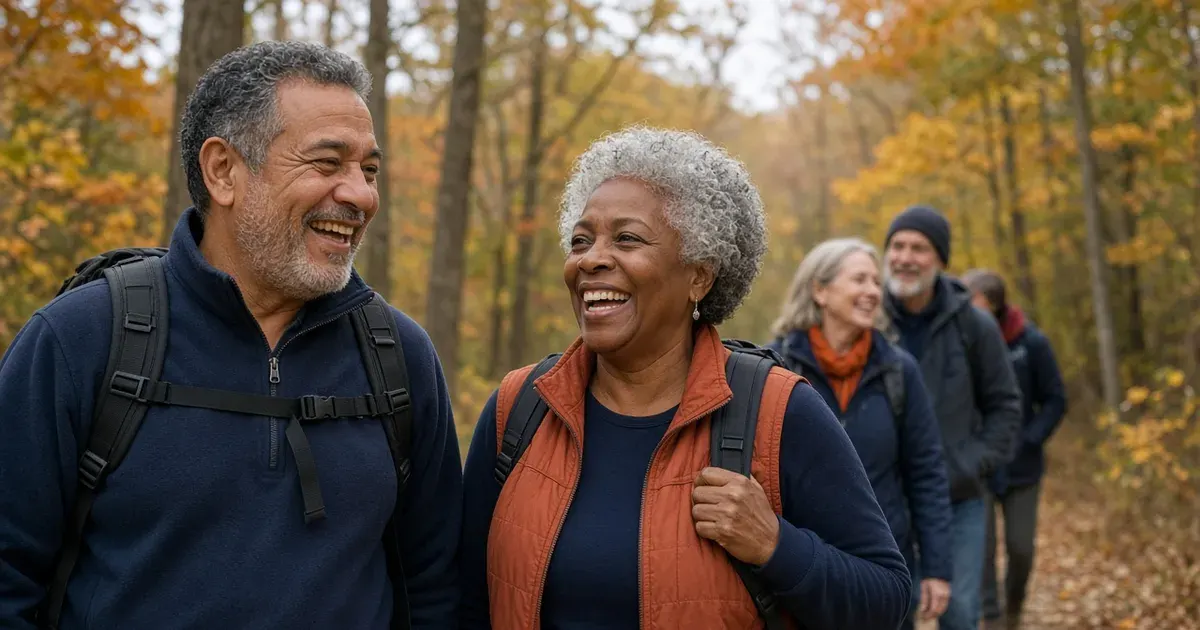
A man in his mid-50s, newly single, often has the same first impression: there should be plenty of women his age to meet. Men’s shorter life expectancy is part of why women are more often single later in life.1 And yet the evenings out don’t seem to turn up many of them.
The national data explains a lot of that gap, and points to better places to spend your time.
Many single women over 50 aren’t looking
Pew’s survey of single Americans found a stark gender split. Overall, 61% of single men were looking for a relationship or dates, compared with 38% of single women.1 The gap is concentrated after 40. Among singles 40 and older, 71% of women said they weren’t looking to date right now, compared with 42% of men.1
Women are also much more likely to be single later in life. About half of women 65 and older were unpartnered in that survey, versus about one in five men that age.1 So there are more single women in older age groups. There are just fewer of them interested in dating.
That changes the question. It’s less “where are they?” and more “what would make dating worth it to someone who’s fine on her own?”
What dating means to women later in life
Research on that question is thin. One small interview study with 14 women aged 64 to 77, all of whom had dated in later life, found dating carried several meanings for them, and that they compared it carefully with dating earlier in life.3 It’s a small sample, and older than the 50s. Its value is in the reminder that “dating” isn’t one thing to everyone at this age.
Where later-life couples actually meet
Pew asked partnered adults how they met. Friends or family introductions came first at 32%, then work at 18%, school, and online at 12%.1 Adults over 50 were more likely than younger ones to have met through work, and only 8% of partnered adults 50 to 64 had met online.1
Online dating is a smaller channel at this age than its reputation suggests. In 2022, 20% of people 50 to 64 had ever used a dating site or app, and more than half of that age group said online dating isn’t a safe way to meet people.2
A practical approach
- Let your network know. Introductions are still the most common route.1 Saying out loud that you’re open to meeting someone is the first step.
- Join something that repeats. Clubs, community service and activity groups are where many adults form friendships, which widens the circle introductions come from.4
- Expect to be screened for fit, not just chemistry. With many women content single, the bar is “better than my life as it is.”1
- Be clear and unhurried. Women are more likely than men to see online dating as unsafe, so an easy, public, low-pressure first meeting matters.2
For more on the other side of this, dating at 50 as a man covers what changes once you’re actually out there.
Try it
Each statement is something men over 50 often assume. What do the national figures say?
People who talk about this
- Credentialed source
Bella DePaulo
Research and writing on single life, including people who choose to stay single and live full lives on their own terms.
- Credentialed source
Marisa G. Franco
Friendship, loneliness and belonging, and how adults make and keep close friends.
- Credentialed source
Pepper Schwartz
Research and writing on love, sex and relationships, including dating and partnership later in life.
- Trending voice
Esther Perel
Desire, infidelity and the tensions inside long term relationships, often through real couples sessions on her podcast.
Further reading
AARP
How to Succeed at Dating in Your 50s (opens aarp.org)Practical advice on how dating in your 50s differs and how to approach it with realistic expectations.
Federal Trade Commission
What To Know About Romance Scams (opens consumer.ftc.gov)The warning signs of romance scams and what to do if someone you met online asks for money.