Solo travel after 50: going without waiting for someone
Plenty of people in their 50s have a trip they've been saving for when there's a partner to share it. Survey data suggests solo trips are a normal part of travel at this age, and a lot of the hesitation is about how it looks rather than how it feels.
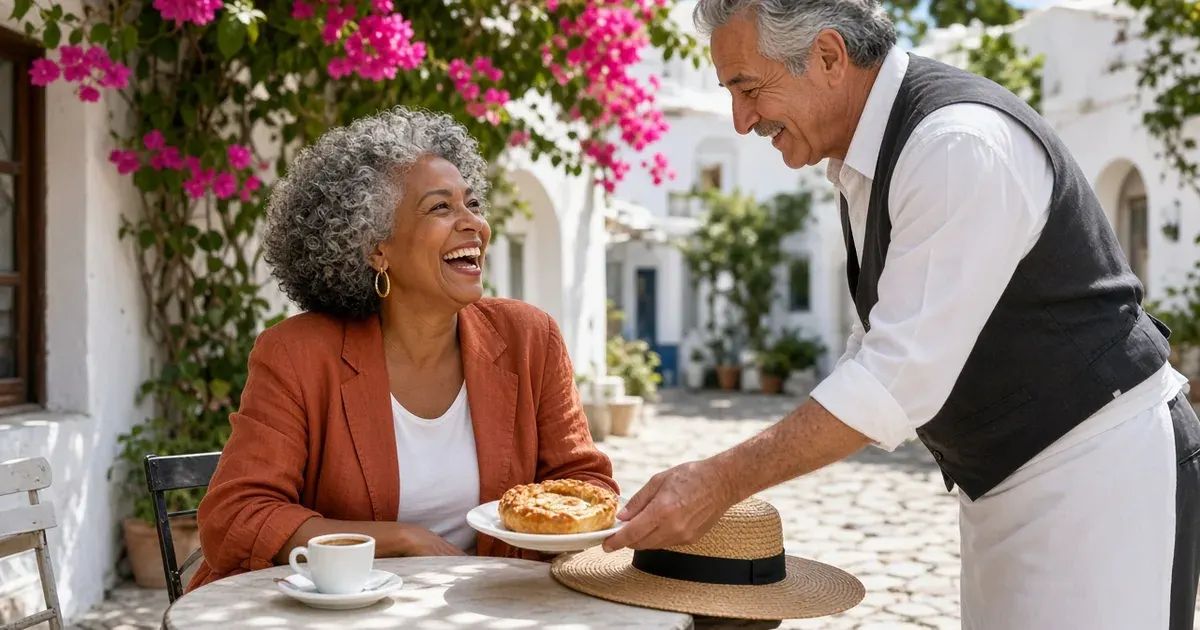
Maybe it’s Lisbon, or the national parks, or a week of doing nothing on a coast. For years the plan was to go with a partner, and the partner hasn’t materialized, or left, or turned out to hate airports. The trip keeps waiting.
You don’t have to wait.
You’d be in large company
AARP surveys travelers 50 and up every year. In its 2025 report, from a survey taken in late 2024, solo vacations made up 6% of the domestic trips people were planning and 11% of planned international trips. Among people 70 and older, 15% expected to take a solo trip, up from 8% the year before.1
An older AARP study, from 2014, looked specifically at solo travel among people 45 and up who travel for leisure. 37% had taken a solo trip. Of those, about half were married, so solo travel isn’t only something single people do. They’d averaged four solo trips, most were very satisfied, and 81% expected to take another within a year.2
Those figures are a decade apart and measure different things, but they point the same way: going alone is ordinary.
The worries are real, and they’re mostly social
A 2008 study interviewed women who traveled internationally on their own about what made them anxious. The fears they described were about being looked at and judged, feeling vulnerable, feeling there were places they couldn’t go, and feeling conspicuous.3 Some of that is about physical safety. A lot of it is about being seen alone.
That second part is easy to test at home first: a solo dinner out, or a day trip on your own, before anything with a passport.
Planning a first trip
AARP’s solo travel guide, updated in 2026, groups the practical side into a few buckets. Before you go: consider tours built for solo travelers, travel insurance, and tracking tools. While you’re away: stay connected with someone at home, protect your belongings, pace yourself, and talk to locals.4 The upside it leads with is setting your own schedule.
A few choices to make early:
- Group or independent? A small tour takes care of logistics and dinner company. Going independent gives you full control.
- Familiar or new? Many solo travelers in the 2014 survey picked a place they’d been before.2 That’s a reasonable way to start.
- Who has your plans? Leave your itinerary with someone and agree on a check-in time.
If you’re also meeting people online right now, the habits in dating online safely in your 50s about sharing plans and meeting in public carry over well to travel.
What this has to do with dating
Nothing, directly. No study here shows travel improves your love life. But you may find that some of what you’d been saving to do “with someone” is yours to do now, and that can shift what you’re looking for in a partner. Someone to share a life with is a different ask than someone to unlock it. What to expect dating in your 50s covers more of that shift.
Limits of the data
- The AARP figures come from online surveys of people who already travel, so they don’t capture people who’ve never gone anywhere alone.
- The 2008 interview study is small and focused on women traveling internationally.
- None of these sources compares solo trips with group trips for wellbeing or safety outcomes.
Try it
Ready for a first solo trip? Tick what's already true.
Steal this text
Say it in your own words, or start from these
Telling family or friends
I'm doing the trip myself this year. I'll send you the hotel details and check in each evening.
If someone you're dating wants to come
I'd love to travel with you sometime. This one I want to do on my own, and I'll tell you all about it.
People who talk about this
- Credentialed source
Bella DePaulo
Research and writing on single life, including people who choose to stay single and live full lives on their own terms.
- Credentialed source
Marisa G. Franco
Friendship, loneliness and belonging, and how adults make and keep close friends.
- Credentialed source
Pepper Schwartz
Research and writing on love, sex and relationships, including dating and partnership later in life.
- Trending voice
Esther Perel
Desire, infidelity and the tensions inside long term relationships, often through real couples sessions on her podcast.
Further reading
University of Minnesota Extension
Your child's adjustment to your new romantic relationship (opens extension.umn.edu)How children of any age may react to a parent's new partner, and how to pace the introduction.