We had a great first date, then nothing. What happened?
A few ordinary things could be behind it: they felt less than you did, they're waiting for you to reach out, or life got in the way. You can't know which from the silence. One friendly message tells you more than a week of guessing.
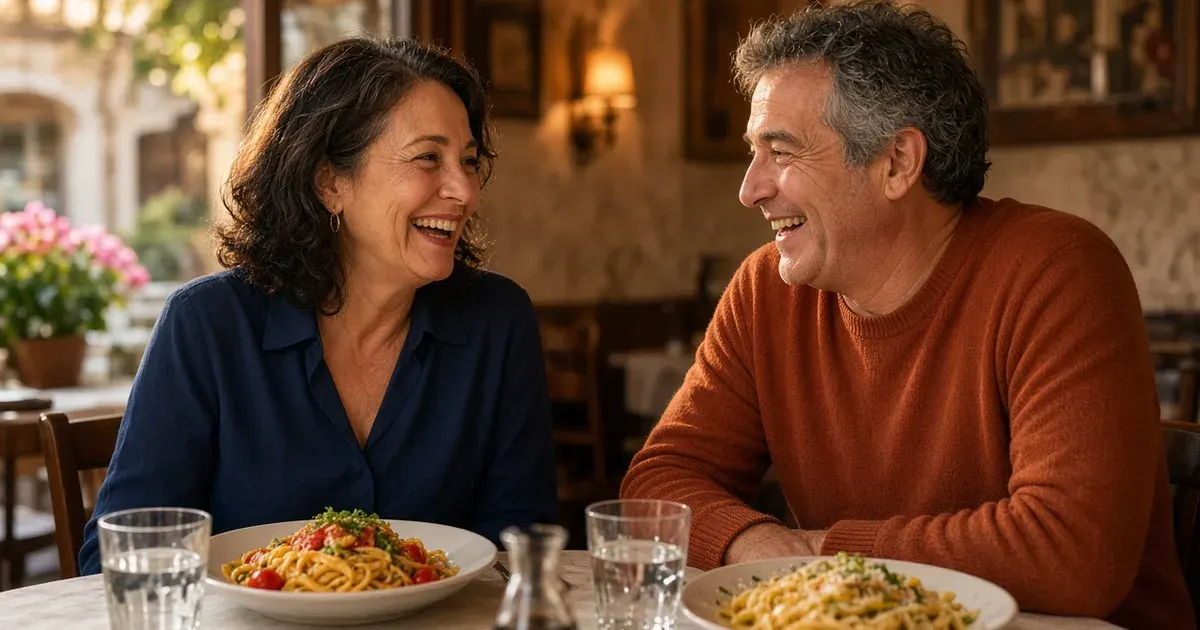
Maybe they felt less than you did. Maybe they’re waiting for you to reach out, or a hard week got in the way. The silence alone can’t tell you which. One friendly message tells you more than a week of wondering.
Did I misread the date?
Maybe less than you fear. Research suggests people are poor judges of how much someone enjoyed their company, and they tend to err on the gloomy side.
Psychologists Erica Boothby, Gus Cooney and colleagues called this the liking gap.1 After conversations, people consistently underestimated how much the other person liked them.1 The gap showed up between strangers, new roommates and adults at a workshop.1
So if you’re replaying the date and wincing at one comment, remember: your replay may well be harsher than their memory.
Then why haven’t they called?
Several ordinary reasons, and not all of them are about you.
- They’re waiting for you. Some people grew up with clear rules about who calls whom, and still wait.
- They felt less of a pull. A pleasant evening for you may have been a pleasant-but-not-romantic one for them.
- Their life is full. AARP notes that people in their 50s often juggle family, work and caregiving.2 A busy week can swallow a good intention.
- They’re unsure what they want. Some people go on a first date and realize they aren’t ready.
Going quiet instead of saying no is common enough to have a name. In a study of young adults, most participants said they had both ghosted someone and been ghosted.4
It’s also worth knowing that many people this age don’t date through apps at all. In a 2022 Pew Research Center survey, 23% of Americans in their 50s said they had ever used a dating site or app.3 Someone who met you offline may not be used to app-style quick follow-ups.
Our guide on who texts first after a date in your 50s covers the etiquette side.
Deborah’s Thursday
Deborah is 56, a hospital administrator, divorced four years. She met Alan, 58, for dinner at a small Italian place. They talked for three hours. He walked her to her car and said, “Let’s do this again.”
Then nothing. Monday, Tuesday, Wednesday.
By Thursday, she had decided he’d found her too talkative. On Friday, she sent a short message: “I had a lovely time Saturday. I’d enjoy doing it again.” He wrote back within an hour. His mother had been in the hospital all week.
Not every story ends that way. Sometimes the message goes unanswered. But she got her answer in a day instead of a month.
Should I reach out first?
Yes, once. A short, warm message that mentions something specific from the date, and a light suggestion to meet again.
AARP’s experts encourage being upfront with dates about what you want.2 Reaching out after a good evening is exactly that. It isn’t chasing. It’s saying you had a nice time.
If you get a reply, wonderful. If you get silence after a few days, that’s an answer too. And if replies come but slowly, our piece on whether a slower pace means they’re losing interest may help.
How do I stop replaying it?
Give the replay a job. Ask yourself what you enjoyed, what you’d want more of next time, and whether you’d still want to see them. Then put the phone down and do something with people you like.
One good date is still a good sign. It means you can connect with someone new, and that skill doesn’t go away when one person goes quiet.
What these sources can’t tell you
- The liking gap research studied conversations, not romantic dates, and mostly younger people.1
- The AARP piece is expert advice and survey highlights, not a study of first dates.2
- The ghosting study surveyed young adults, and the Pew figures describe online dating, not first dates in general.3 4
- None of them can tell you why one specific person went quiet.
- Deborah and Alan are illustrative characters.
Try it
What's your gut telling you about the silence?
Steal this text
Say it in your own words, or start from these
A warm follow-up
I really enjoyed Saturday, especially the story about your sister's wedding. I'd love to do it again. Are you free for lunch next week?
If a few days have passed
I've been thinking it was a lovely evening. If you'd like to get together again, I'd enjoy that. No pressure either way.
People who talk about this
- Credentialed source
Bella DePaulo
Research and writing on single life, including people who choose to stay single and live full lives on their own terms.
- Credentialed source
Marisa G. Franco
Friendship, loneliness and belonging, and how adults make and keep close friends.
- Credentialed source
Pepper Schwartz
Research and writing on love, sex and relationships, including dating and partnership later in life.
- Trending voice
Esther Perel
Desire, infidelity and the tensions inside long term relationships, often through real couples sessions on her podcast.
Further reading
AARP
How to Succeed at Dating in Your 50s (opens aarp.org)Practical advice on how dating in your 50s differs and how to approach it with realistic expectations.
Federal Trade Commission
What To Know About Romance Scams (opens consumer.ftc.gov)The warning signs of romance scams and what to do if someone you met online asks for money.